Product Overview: Galvanized Steel Pipe Ground Rod
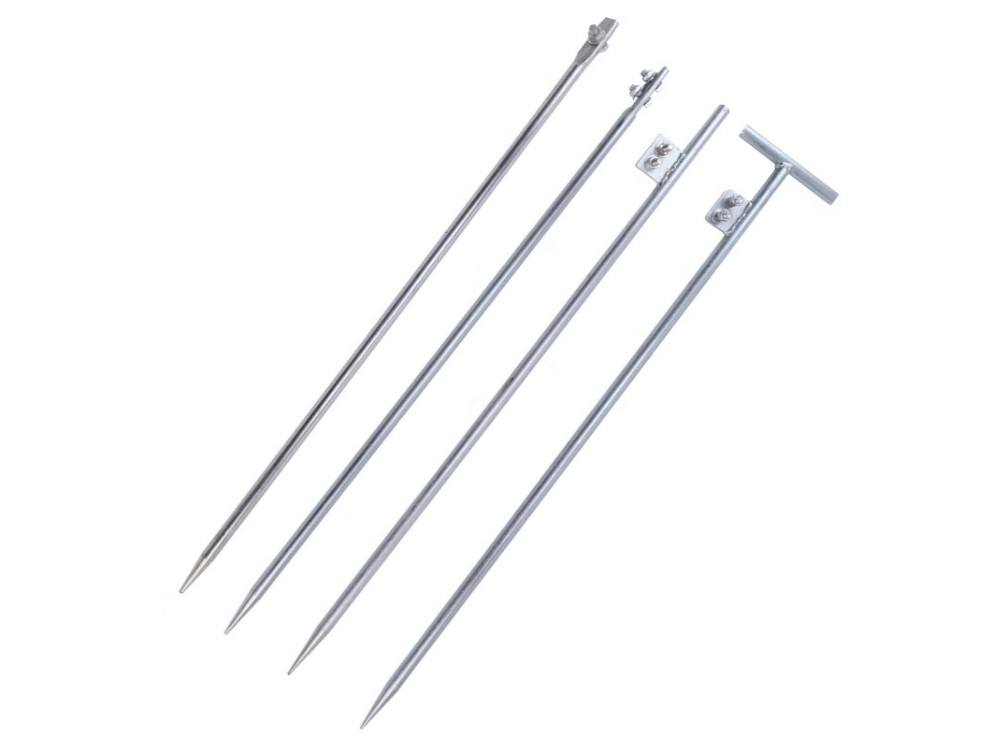
The Galvanized Steel Pipe Ground Rod (PGR Series Tubular Steel Earth Electrode) is a foundational grounding electrode engineered for power distribution substations, transmission tower grounding wells, telecommunication towers, and lightning protection systems in challenging soil conditions. Manufactured by YiHao Power, every pipe ground rod is fabricated from heavy-wall structural seamless carbon steel pipe featuring a pre-welded conical driving tip and hot-dip galvanized protection inside and out. Designed to comply with international quality and safety standards including UL, IEC, BS, and ISO specifications for electrical earthing equipment, our steel pipe ground rods deliver exceptionally low electrical resistance, high mechanical driving strength, and long-lasting underground durability.
Technical Specifications
| Parameter | Specification |
|---|---|
| Product Series | PGR Series Galvanized Steel Pipe Ground Rods / Tubular Electrodes |
| Base Pipe Material | Heavy-Wall Seamless Structural Carbon Steel Pipe (Q235 / Q355 Grade) |
| Surface Protection | Heavy Hot-Dip Galvanized (HDG) Internal & External Zinc Coating |
| Standard Pipe Diameters | DN40 (48mm), DN50 (60mm), DN65 (76mm), DN80 (89mm) (1.5″ to 3.5″ Nominal) |
| Wall Thickness & Length | Thickness: 3.0mm to 6.0mm | Length: 1.5m, 2.0m, 2.5m, 3.0m (Customizable) |
| Standard Compliance | UL / BS / IEC / ISO Standards Compliant |
| Application Scope | Substation Grounding Wells, High Soil Resistivity Grids, Telecom Towers |
Key Performance Features of Our Galvanized Steel Pipe Ground Rod
- Dual-Surface Hot-Dip Galvanized Coating: Submerged completely into a molten zinc bath after machining, ensuring that both internal and external surfaces receive a thick metallurgical zinc barrier against groundwater and acidic soil chemistry.
- Superior Dissipation Area for High-Voltage Faults: The tubular hollow geometry provides a much larger circumferential contact surface with the surrounding soil compared to solid steel rods of equal weight, dramatically reducing grounding resistance.
- Perforated Design for Ground Enhancement Material: Optional pre-drilled release holes allow chemical grounding enhancement compounds (GEM) or bentonite backfills injected inside the pipe to seep outward, continuously moistening surrounding soil and maintaining low impedance.
- High Driving Integrity in Tough Soils: Heavy seamless wall construction resists buckling, twisting, and splitting when driven with heavy power hammers into gravel, dense clay, or rocky ground strata.
Installation Guidelines for Deep Earth Wells
Proper installation of a Galvanized Steel Pipe Ground Rod system ensures minimal contact resistance and long-term grounding efficiency. Follow these standard field practices:
- Vertical Well Drilling / Direct Driving: Drill a vertical grounding well hole or drive the steel pipe electrode directly into excavated trenches using a driving cap and electric breaker hammer.
- Chemical Backfilling (Perforated Models): Pour low-resistivity chemical grounding enhancement compound or bentonite slurry directly into the hollow core and surrounding borehole to form an active moisture retention zone.
- Terminal Jointing: Connect the main grounding strip (galvanized steel flat bar or copper conductor) to the pipe top using welded steel terminal plates, heavy-duty U-bolt clamps, or exothermic welding.
Primary Application Scenarios Across Global Facilities
Our premium steel pipe grounding electrodes are widely deployed across global power and civil infrastructure projects, including:
- High-voltage power substation perimeter grounding wells and transformer pits.
- 5G telecom tower foundation grounding in rocky or sandy high-resistivity soil areas.
- Thermal power plant, solar PV farm, and wind turbine generator grounding networks.
- Building lightning protection down-conductor deep earth terminations.
Frequently Asked Questions (FAQ)
Q1: Why choose a Galvanized Steel Pipe Ground Rod over a solid round steel rod?
A1: For the same weight of steel, a pipe ground rod offers a much larger diameter and surface area in direct contact with the soil, resulting in lower grounding resistance and higher fault current dissipation capability.
Q2: Can grounding enhancement compounds be poured directly into the pipe ground rod?
A2: Yes, perforated steel pipe ground rods are specifically engineered so chemical enhancement slurry or bentonite can be poured inside, slowly weeping through the side holes to permanently lower surrounding soil resistivity.
Quality Assurance & Factory Testing
Every batch of Galvanized Steel Pipe Ground Rod products manufactured by YiHao Power undergoes rigorous quality control inspection before dispatch. Our testing protocols include outer and inner zinc coating thickness verification, steel pipe pressure and tensile strength testing, weld joint seam inspection, and dimensional tolerance checks.