Product Overview: Expansion Anchor Bolt
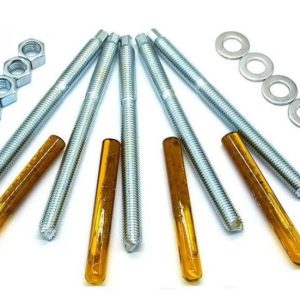
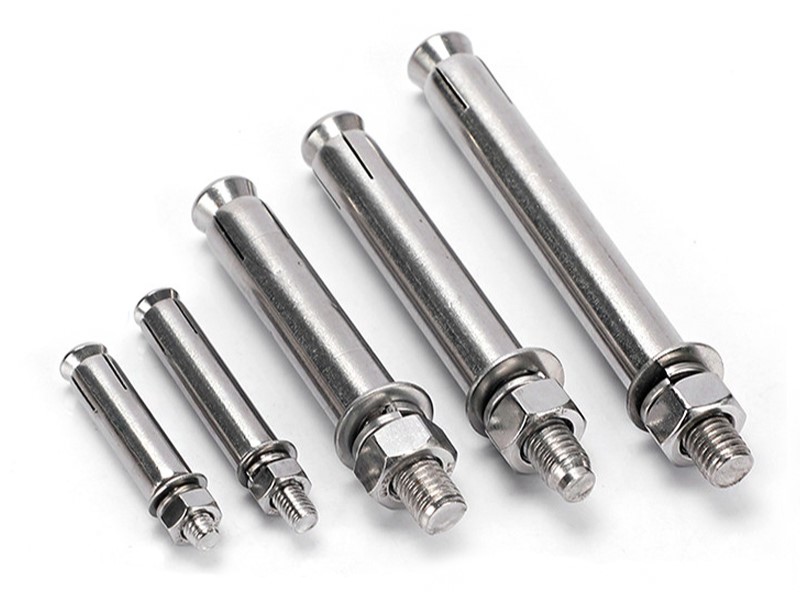
The Expansion Anchor Bolt (EAB Series Heavy-Duty Sleeve Anchors) is a critical masonry anchoring fitting widely deployed across power substations, industrial plant construction, cable management installations, and equipment base mounting. Manufactured by YiHao Power, our expansion anchors are produced from high-tensile carbon steel and premium A2-70 / A4-70 stainless steel alloys. Engineered to comply with international manufacturing and safety specifications for heavy construction fasteners, each Expansion Anchor Bolt provides dependable mechanical gripping force, high shear resistance, and long-term joint stability under heavy static and vibrational loads.
Technical Specifications
| Parameter | Specification |
|---|---|
| Product Series | EAB Series Sleeve Expansion Anchor Bolts |
| Base Material | High-Tensile Carbon Steel / Stainless Steel (A2-70, A4-70) |
| Surface Protection | Yellow/White Zinc Plated / Hot-Dip Galvanized / Bright Passivated |
| Thread Diameter Range | M6, M8, M10, M12, M16, M20 (Metric Standard Sizes) |
| Standard Compliance | UL / BS / IEC / ISO International Standards Compliant |
| Application Scope | Cable Tray Wall Brackets, Switchgear Base Mounting, Transformer Anchoring |
Key Performance Features of Our Expansion Anchor Bolt
- 360-Degree Uniform Expansion: As the conical bolt end is drawn into the expansion sleeve during tightening, the sleeve outwards expands tightly against the concrete hole wall, creating a permanent high-friction mechanical anchor.
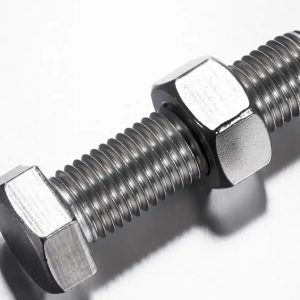
- Vibration Resistance & Lock Washer Assembly: Equipped with heavy-duty spring lock washers to prevent nut loosening caused by machinery vibration or thermal contraction cycles.
- Superior Outdoor Anti-Corrosion Options: Stainless steel variants offer complete immunity to groundwater moisture, marine salt spray, and chemical exposure in harsh industrial environments.
- High Shear & Tensile Ratings: Cold-formed steel body and heavy sleeve walls ensure structural rigidity under overhead hanger loads and side-shear stresses.
Installation Guidelines for Concrete Mounting
Proper installation of an Expansion Anchor Bolt ensures maximum holding capacity in concrete and masonry structures. Follow these standard field practices:
- Drilling the Hole: Use a hammer drill with a masonry bit matching the anchor sleeve outer diameter. Drill to the specified depth.
- Hole Cleaning: Thoroughly blow out concrete dust and debris from the drilled hole using a wire brush and air pump to maximize friction grip.
- Anchor Insertion & Torquing: Insert the assembled anchor through the fixture mounting hole into the concrete. Tap lightly with a hammer until flush, then tighten the hex nut to the required torque setting using a manual wrench.
Primary Application Scenarios Across Industrial Facilities
Our premium expansion anchor fasteners are widely deployed across global power and infrastructure projects, including:
- Cable tray cantilever brackets, ladder rack supports, and wall-mounted raceways.
- Electrical distribution cabinets, control panels, and transformer base plate floor anchoring.
- Equipotential grounding busbars, earth lead brackets, and lightning down-conductor clamps.
- Structural steel posts, pipe hangars, and conduit support brackets on concrete ceilings and walls.
Frequently Asked Questions (FAQ)
Q1: How do I select the correct drill bit size for an Expansion Anchor Bolt?
A1: Always match the drill bit diameter to the outer sleeve diameter of the anchor bolt rather than the inner thread diameter to ensure proper friction expansion.
Q2: Can sleeve expansion anchors be used in hollow brick or drywall?
A2: Mechanical sleeve anchors require solid concrete, stone, or solid brick for maximum expansion force and should not be used in lightweight hollow drywall.
Quality Assurance & Factory Testing
Every batch of Expansion Anchor Bolt products manufactured by YiHao Power undergoes rigorous quality control inspection before dispatch. Our testing protocols include dimensional tolerance checks, concrete pull-out force testing, tensile load testing, and plating/corrosion thickness verification.