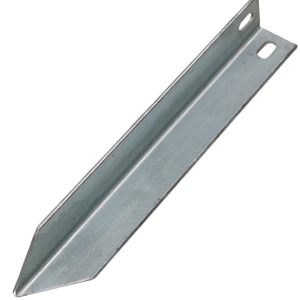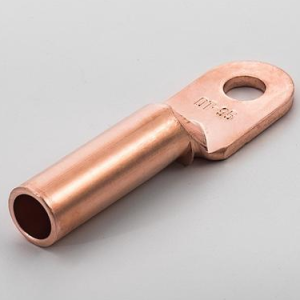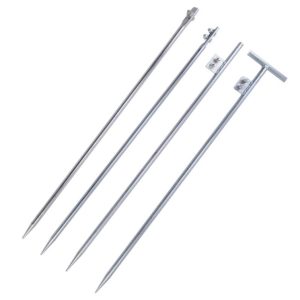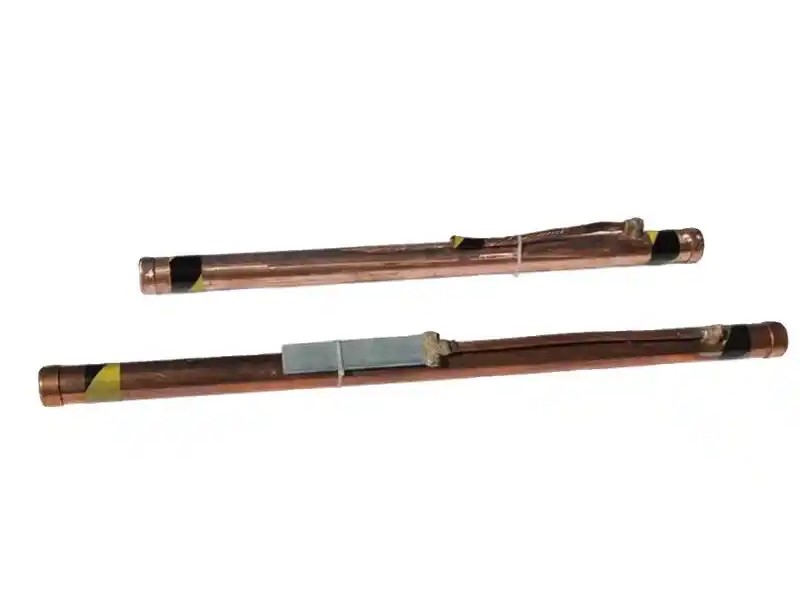
Product Overview: Electrolytic Ion Grounding Rod
The Electrolytic Ion Grounding Rod (IE Series Chemical Earth Electrode System) is an engineered deep-earthing solution designed specifically for challenging geological locations where traditional ground rods fail to achieve low resistance readings. Manufactured by YiHao Power, every Electrolytic Ion Grounding Rod utilizes passive moisture-harvesting technology and continuous chemical ion release to transform surrounding high-resistivity soil into a highly conductive grounding zone. Built in strict compliance with international safety standards, our chemical ground rods deliver maintenance-free lightning surge protection and functional grounding stability for over 30 years.
Technical Specifications
| Parameter | Specification |
|---|---|
| Product Series | IE Series Electrolytic Ion Grounding Rod Systems |
| Tube Material | High-Purity T2 Copper Tube / Stainless Steel Alloy (Customizable) |
| Chemical Infill | Non-Toxic Electro-Ionic Salts & Deliquescent Mineral Compound |
| Standard Dimensions | Diameter: 54mm / 60mm; Length: 1.5m, 2.0m, 3.0m, 6.0m |
| Lead Terminal | Factory Exothermic-Welded Pure Copper Cable or Flat Tape (95mm² / 120mm²) |
| Standard Compliance | UL/ BS / IEC/ ISOCompliant |
| Application Scope | Mountain Telecom Towers, Substation Grids, Solar Farms & Rocky Industrial Sites |
How an Electrolytic Ion Grounding Rod Works in High Resistance Soil
In rocky or sandy regions, standard steel or copper rods fail because dry soil lacks free ions to conduct electricity. An Electrolytic Ion Grounding Rod overcomes this limitation through a 3-step chemical mechanism:
- 1. Atmospheric Moisture Absorption: Breathable air vents located at the top cap absorb ambient air moisture and groundwater, dissolving the internal electrolytic salts without requiring manual water refilling.
- 2. Continuous Ion Osmosis: The dissolved ionic solution slowly leaks through bottom leaching holes into the surrounding soil, forming a conductive electrolytic root zone that permanently lowers soil resistivity.
- 3. Backfill Hydration Expansion: Surrounding the Electrolytic Ion Grounding Rod with specialized physical backfill material creates a hydro-conductive envelope that holds moisture and eliminates air gaps around the metal tube.
Step-by-Step Field Installation Protocol
To achieve optimum performance from your Electrolytic Ion Grounding Rod, adhere to the following field engineering practices:
- Borehole Preparation: Drill a vertical borehole (typically 150mm to 200mm in diameter) to the required depth using a drilling rig or auger.
- Unseal Breathing Holes: Remove the protective sealing tape from the top air vents and bottom leaching holes of the rod.
- Positioning & Backfill Pouring: Lower the Electrolytic Ion Grounding Rod into the center of the hole. Mix the physical backfill compound with water into a slurry and pour it evenly around the tube to fill all voids.
- Grid Connection: Connect the attached copper lead strap to the main earthing grid tape using exothermic welding or heavy-duty bronze grounding clamps.
Primary Application Scenarios Across Global Facilities
Our premium are widely installed in critical projects, such as:
- High-altitude mountain telecommunication towers, 5G base stations, and radar facilities.
- High-voltage substations, power plant switchyards, and transformer stations built on rocky ground.
- Petrochemical refineries, oil tank farms, and explosive storage areas requiring static drainage.
- Data center server facilities and semiconductor fabrication plants requiring stable, low-noise functional grounding.
Frequently Asked Questions (FAQ)
Q1: How long does an Electrolytic Ion Grounding Rod last underground?
A1: Thanks to the heavy T2 copper tube wall and non-corrosive chemical formulation, our chemical ion rods deliver a service life exceeding 30 to 50 years without requiring chemical replenishment.
Q2: Why is physical backfill compound necessary for chemical ground rods?
A2: The backfill compound absorbs water, swells to fill soil fissures, and acts as an electrolyte sponge, increasing the contact surface area between the rod and surrounding rock or earth by up to 3 times.
Quality Assurance & Factory Testing
Every batch of Electrolytic Ion Grounding Rod units manufactured by YiHao Power undergoes rigorous quality control inspection. Our factory testing protocols include copper purity spectroscopy, exothermic weld seam NDT inspection, chemical salt stability testing, and helium leak detection for top caps to ensure flawless jobsite installation.